

Pharm Ingredients
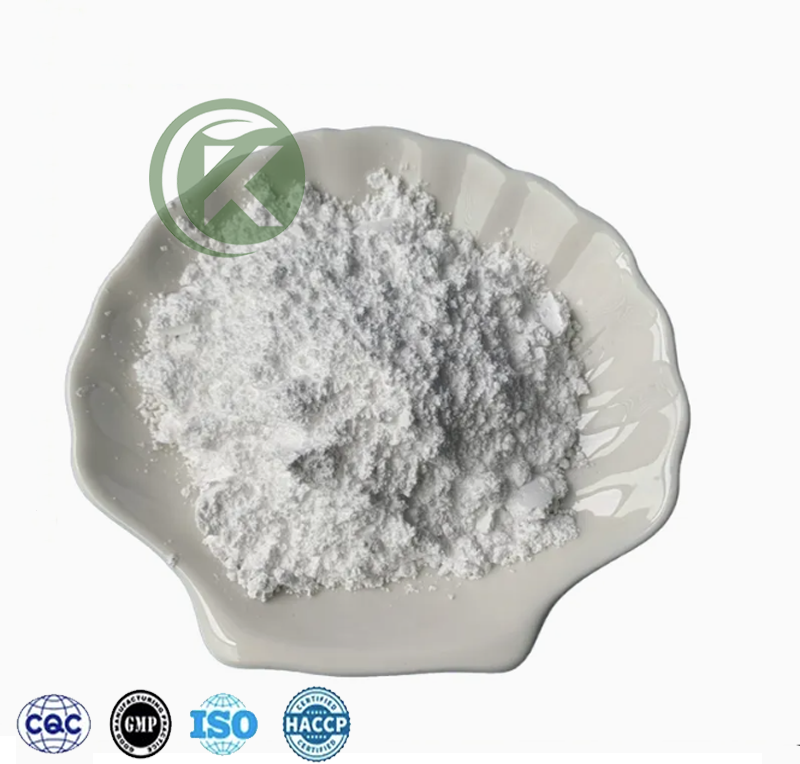
Dihydroxyacetone Powder
Dihydroxyacetone Powder Manufacturers
Kintainutri® specializes in the supply of high-quality cosmetic ingredients, providing brand owners, formulation developers, and manufacturing enterprises with a stable supply of Dihydroxyacetone powder raw materials boasting a purity level of 98–99%. 1,3-Dihydroxyacetone is an ingredient widely utilized in sunless tanning products; by reacting with amino acids within the skin's stratum corneum, it helps create a natural-looking, even tan. Driven by growing consumer demand for UV-free tanning solutions and safe skincare, the application of DHA continues to expand across self-tanning lotions, sprays, mousses, and functional skincare formulations.
Kintainutri® focuses on supplying premium-grade Dihydroxyacetone powder, enabling us to meet the diverse product development and market demands of major enterprises.
| Product Name | Source | Best-selling Specifications |
|---|---|---|
| Dihydroxyacetone Powder | Synthesis | |
| 98% | ||
| 99% |
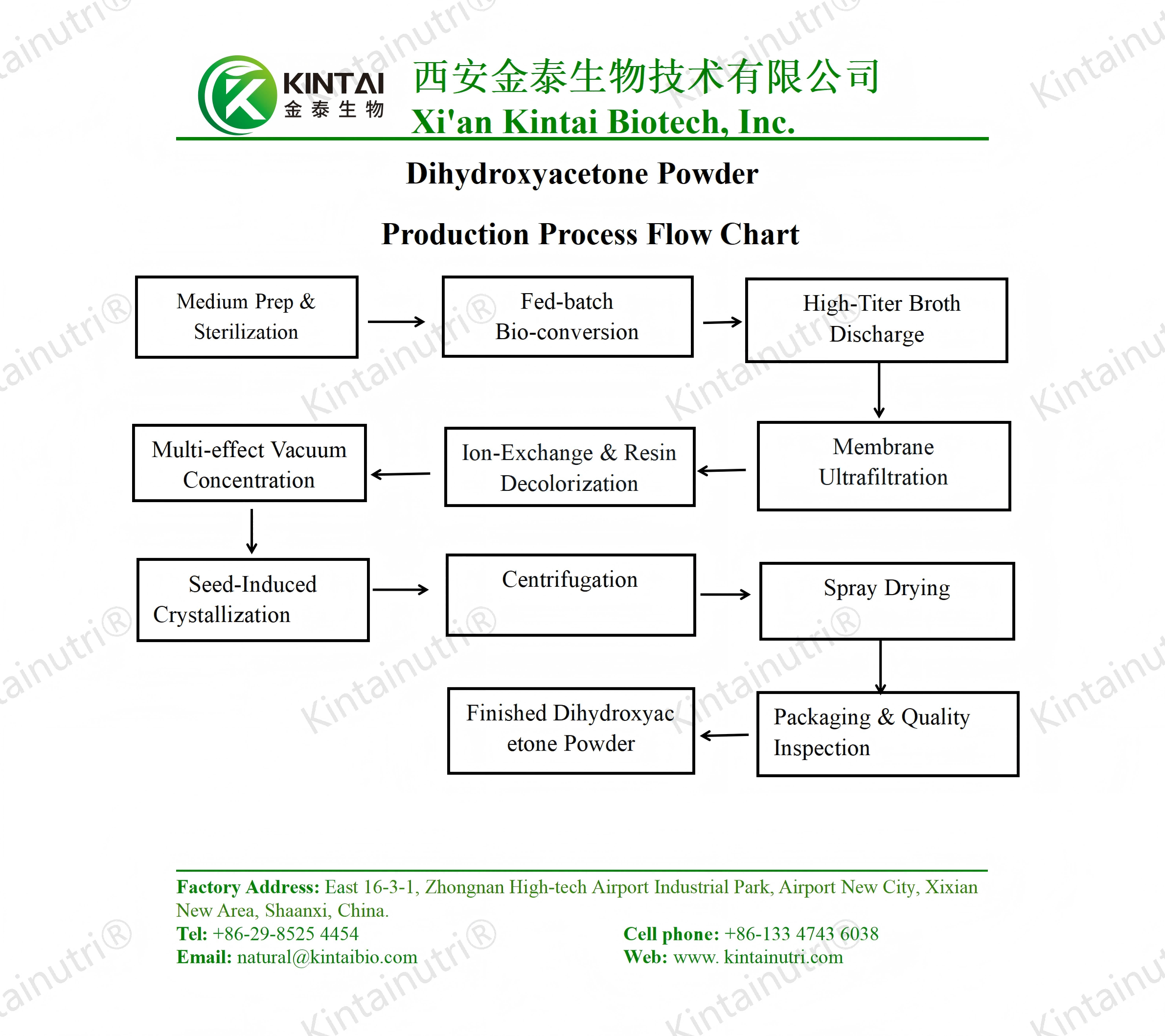
How To Make Dihydroxyacetone Powder?
Dihydroxyacetone Powder Benefits
Supports Sunless Tanning
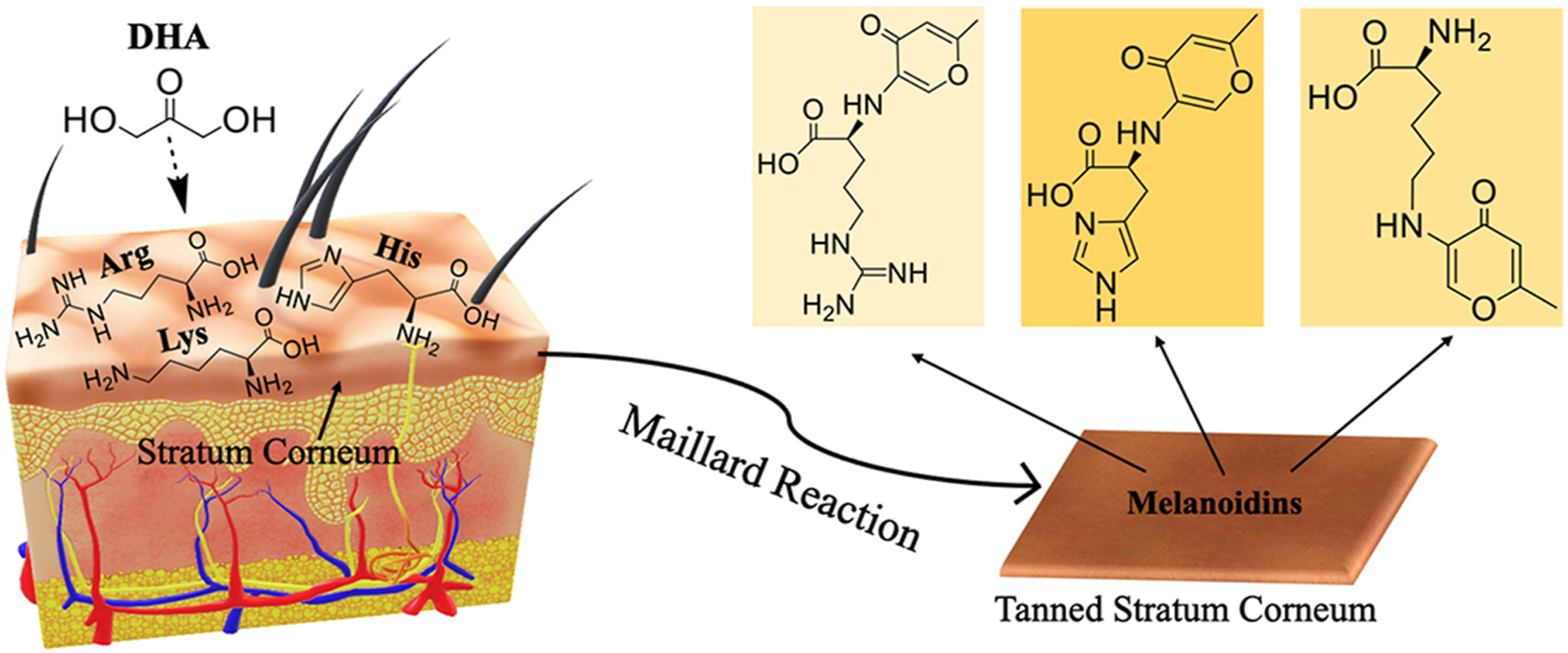
1,3-Dihydroxyacetone undergoes a Maillard reaction with the free amino acids present in the skin's stratum corneum, generating a brownish-black high-molecular-weight polymer known as melanoidin, thereby creating an artificial skin tone. This reaction occurs only within the stratum corneum, the outermost layer of dead skin cells. As the skin naturally exfoliates, the resulting coloration gradually fades over several days.
Unlike the natural UV-protection mechanisms originating from the melanocytes deep within the skin, the melanoidin produced by dihydroxyacetone powder is a synthetic product and possesses no sun-protection capabilities. This well-defined chemical mechanism of action establishes DHA as the core active ingredient in sunless tanning products.
Metabolic regulation
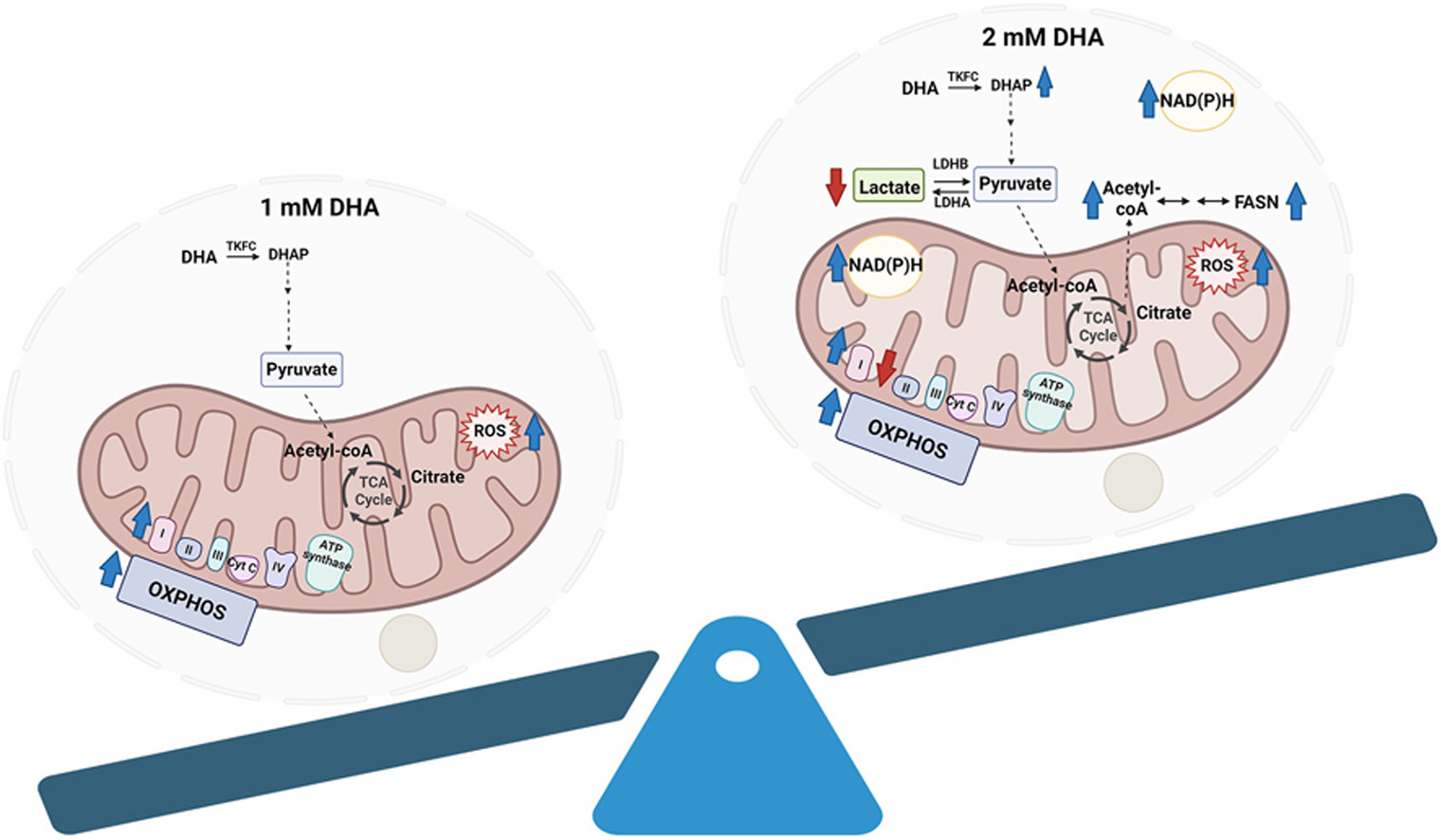
Dihydroxyacetone (DHA) may play a role in regulating lipid and energy metabolism, thereby influencing fat accumulation and metabolic efficiency. Studies indicate that dietary supplementation with DHA is associated with reduced lipogenesis, decreased body fat, and an elevated resting metabolic rate. Furthermore, it may promote the expenditure of energy primarily as heat rather than its conversion into stored fat.
Additionally, DHA has demonstrated potential in ameliorating ethanol-induced fatty liver and reducing hepatic triglyceride accumulation. Its mechanism of action likely involves enhanced fatty acid oxidation, the regulation of energy metabolism, and the inhibition of lipid synthesis. Given its potential for metabolic modulation, Glycerone holds promise for future applications in the development of functional foods, animal nutrition products, and solutions related to metabolic health; however, further clinical studies are required to validate these prospects.
What Is Dihydroxyacetone Powder Used For?
Cosmetics
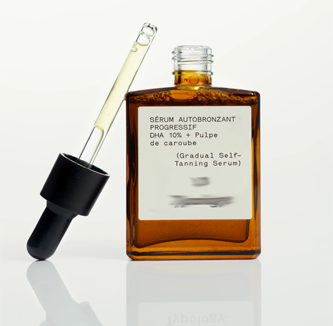
Glycerone sunless tanning works by coloring the stratum corneum through the Maillard reaction.It does not require UV exposure. Instead, DHA reacts with amino acids, peptides, and proteins in the skin’s outermost layer through a process similar to the browning reaction that occurs when bread is toasted, producing brown-colored melanoidins. It represents a safer alternative to UV exposure for those seeking a bronzed complexion. Dihydroxyacetone powder is compatible with a wide variety of product formulations, including dihydroxyacetone containing drops, lotions, creams, mousses, foams, gels, and sprays.
Food and Feed
Dihydroxyacetone has been investigated as a functional feed additive. Long-term dietary supplementation in livestock and poultry, such as pigs and chickens, has been associated with moderated weight gain and reduced body fat accumulation.This is achieved by facilitating the dissipation of excess dietary energy as heat, thereby minimizing the conversion and storage of energy into fat, and preventing excessive fat accumulation. Consequently, this characteristic renders it widely applicable within the food and feed sectors, enabling the regulation of animal body fat metabolism and the optimization of meat quality in livestock and poultry.
Pharmaceuticals and Chemicals
In addition to its use in sunless tanning products, dihydroxyacetone (DHA) also serves as a temporary skin colorant in the field of skin tone camouflage. In a study involving Asian patients with vitiligo, a topical cream containing 6% DHA was shown to improve skin tone uniformity in exposed areas, with the majority of subjects expressing moderate to high satisfaction with the cosmetic camouflage results. The findings indicate that individuals with darker skin tones typically require higher concentrations of DHA to achieve a more ideal color match. Based on its mechanism of temporary coloration and its ease of application, 1,3-Dihydroxyacetone demonstrates potential value for application in the development of functional skincare, skin tone correction, and specialized dermatological care products.
Is Dihydroxyacetone Powder Safe?
The U.S. Food and Drug Administration (FDA) permits the "topical" use of DHA for skin coloring; however, its use is subject to restrictions. 1,3-Dihydroxyacetone should not be inhaled, ingested, or allowed to come into contact with mucous membranes, including the lips, nose, and the area around the eyes extending from the tops of the cheeks to above the eyebrows, because the associated risks, if any, remain unclear. Additionally, most tanning sprays and lotions do not contain sunscreen ingredients. Be sure to apply sunscreen evenly to all exposed skin at least 30 minutes before going outdoors.
Dihydroxyacetone Powder Toxicity
This study demonstrates that DHA exhibits cytotoxicity in in vitro models of lung, cardiac, and hepatic cells, with IC50 values ranging from 2.0 to 7.5 mM; notably, cardiomyocytes are the most sensitive. 1,3-Dihydroxyacetone induces the formation of DNA adducts (resulting from oxidative damage or cross-linking) and chromosomal aberrations (including breaks, ring structures, and centromere disruption), thereby providing the first confirmation of its mutagenicity in mammalian cells. Significantly, the aforementioned genotoxicity is not mediated through traditional reactive oxygen species mechanisms. It is important to emphasize that this study involved high-concentration in vitro exposures, which differ significantly from typical topical application scenarios of self-tanning products. Consequently, it is recommended that end products bear a warning label stating: 'For external use only; avoid inhalation.'
Kintainutri® Dihydroxyacetone Powder Advantages
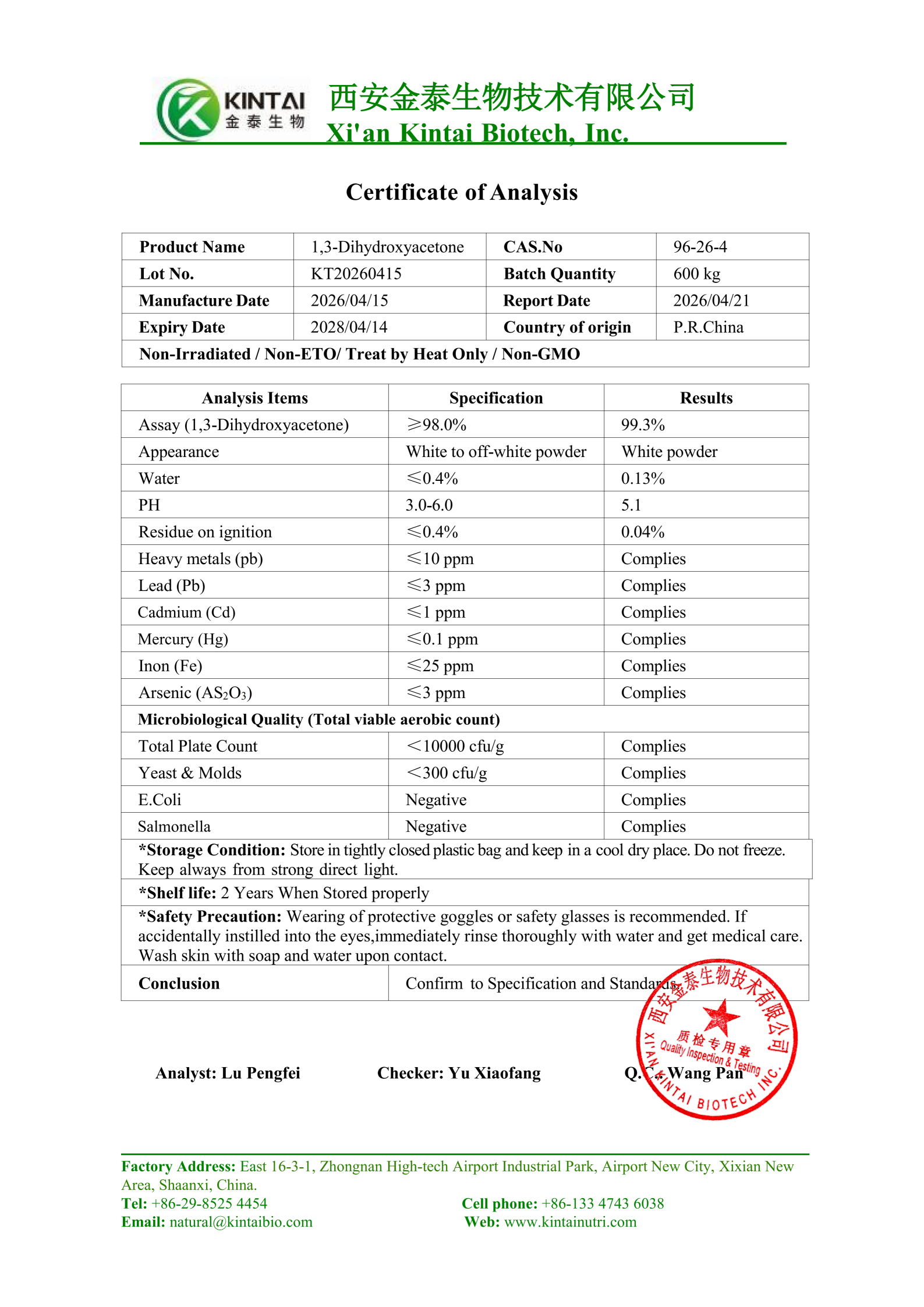
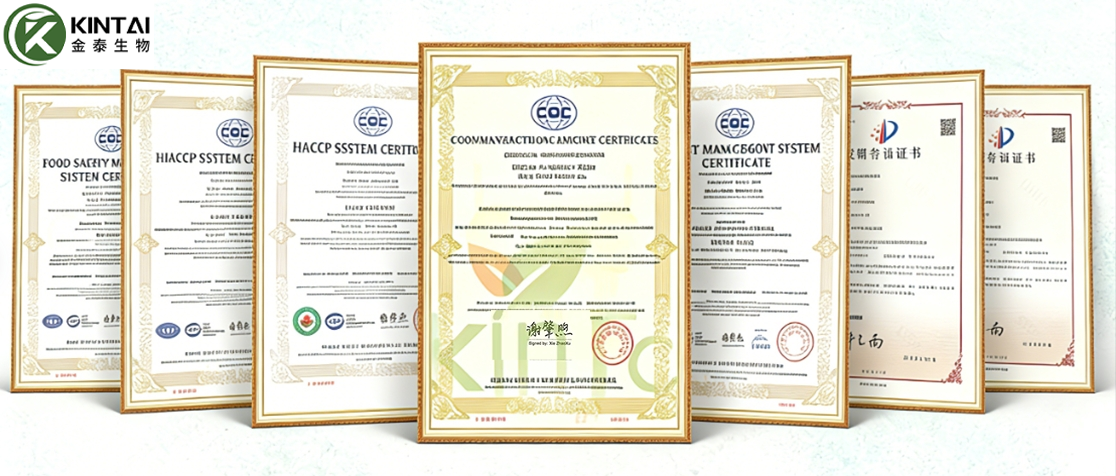
As a cosmetics raw material supplier deeply rooted in the B2B sector, Kintainutri® offers cosmetic-grade 1,3-Dihydroxyacetone powder with a purity of 98–99%, fully compliant with safety standards.Our dihydroxyacetone powder is specifically designed for sunless tanning formulations, providing a natural, streak-free, and even skin coloration by reacting with amino acids in the stratum corneum . It is highly compatible with lotions, serums, sprays, foams, and wipes, offering formulators a stable and reliable active ingredient. In addition to providing a stable supply of raw materials, we offer customized services to provide comprehensive support for your R&D initiatives. Contact us today to request a free sample!
*Kintainutri® Promise All Products: Non-Irradiated / Non-ETO/ Treat by Heat Only / Non-GMO
Reference:
[1]: https://pmc.ncbi.nlm.nih.gov/articles/PMC10083914/
[2]: https://pubmed.ncbi.nlm.nih.gov/9624640/
[3]: https://pubmed.ncbi.nlm.nih.gov/18377610/
[4]: https://www.fda.gov/radiation-emitting-products/tanning/tanning-products
[5]: https://pmc.ncbi.nlm.nih.gov/articles/PMC11347775/
[1]: https://pmc.ncbi.nlm.nih.gov/articles/PMC10083914/
[2]: https://pubmed.ncbi.nlm.nih.gov/9624640/
[3]: https://pubmed.ncbi.nlm.nih.gov/18377610/
[4]: https://www.fda.gov/radiation-emitting-products/tanning/tanning-products
[5]: https://pmc.ncbi.nlm.nih.gov/articles/PMC11347775/
FAQ
-
Does dihydroxyacetone powder cause cancer?
-
How does dihydroxyacetone powder work?
DHA induces skin coloration through a non-enzymatic Maillard reaction. Upon application, the active ingredient penetrates the stratum corneum, reacting with free amino acids to form melanoidins—the brown polymers responsible for UV-free tanning. The cosmetic color gradually develops within 2 to 6 hours and typically lasts for 5 to 7 days, fading naturally with skin cell turnover. As an FDA-approved and globally recognized ingredient, DHA delivers a safe, sunless alternative to UV exposure. -
Is dihydroxyacetone safe on skin?
About Us