In today’s fast-changing food scene, it’s super important to understand how food additives might affect our health and what we’re actually eating. You know, those substances added to food to make it taste better, look more appealing, or last longer—while they might seem harmless, there’s always that lingering question about their impact on our well-being. As more people start craving transparency and quality in what they eat, the buzz around food additives is only growing. That’s where companies like Xi'an Kintai Biotech Inc. come into play. They’re committed to a solid quality control process, making sure everything from the fields where ingredients are grown, right down to the final product, meets high standards.
At Xi'an Kintai Biotech Inc., we take raw material quality seriously. We do thorough screenings and have strict inspection standards in place. This isn’t just about keeping consumers happy—it’s about building trust, especially as more folks look for healthier, consciously-made food options. By understanding the ins and outs of food additives—the good and the not-so-good—we want to give consumers the info they need to make smarter choices about what’s on their plates. It’s all about balancing the benefits with potential risks and really getting a handle on how this fits into modern nutrition. Talking about this stuff isn’t just interesting, it’s pretty much essential for anyone serious about health and wellness these days.
How Food Additives Affect Nutritional Value of Foods
Food additives, particularly those found in ultraprocessed foods (UPFs), significantly impact the nutritional value of our diets. Recent studies highlight that certain additives, including food dyes and preservatives, can alter not only the taste and shelf life of products but also their health implications. For example, foods containing artificial dyes like Red Dye 40 have been linked to adverse effects in children with ADHD, suggesting that these additives may interfere with focus and behavior. Additionally, the new American Heart Association Science Advisory underscores that UPFs, laden with excess salt, sugar, and unhealthy fats, are associated with increased risks of cardiovascular diseases.
When navigating food choices, it’s crucial to be aware of the nutritional profiles of packaged foods. Here are some tips:
1. **Read Labels**: Check ingredient lists for artificial colors, preservatives, and other additives. The fewer the ingredients, the better.
2. **Choose Whole Foods**: Incorporate more fresh fruits, vegetables, and whole grains into meals. These are often free from harmful additives and provide essential nutrients.
3. **Limit Processed Foods**: Start by reducing ultraprocessed foods in your diet, as they tend to have a negative impact on overall health and nutritional value.
Being informed about food additives can empower you to make healthier dietary choices, ultimately contributing to better health outcomes.
Identifying Common Food Additives: What You Need to Know
Food additives play a significant role in the modern food industry, offering benefits such as enhanced flavor, texture, and shelf-life. However, understanding the implications of these additives on health is crucial for making informed dietary choices. Common additives include preservatives like sodium benzoate, artificial colors such as Red 40, and flavor enhancers like monosodium glutamate (MSG). While some additives are deemed safe, others may cause sensitivities or contribute to adverse health effects, prompting consumers to read labels carefully.
At Xi'an Kintai Biotech Inc., we prioritize quality and safety in every aspect of our food products. Our comprehensive quality control system guarantees that all raw materials are carefully sourced and rigorously tested. From the planting base to the final product, we ensure that our additives not only meet but exceed industry standards. This commitment allows us to provide consumers with information and products that enhance health without compromising safety, empowering individuals to make better dietary choices in a complex food landscape.
Understanding the Impact of Food Additives on Your Health and Diet Choices
| Additive Name | Common Uses | Health Effects | Dietary Concerns |
| Sodium Benzoate | Preservative in acidic foods | May cause allergic reactions | Avoid in high-sugar diets |
| Monosodium Glutamate (MSG) | Flavor enhancer in savory foods | Possible headaches and nausea | Watch for sensitivity |
| Artificial Colors (e.g., Red 40) | Coloring agent in candies and snacks | Potential hyperactivity in children | Possible allergen |
| High Fructose Corn Syrup (HFCS) | Sweetener in processed foods | Linked to obesity and metabolic issues | Limit intake for healthier choices |
| Carrageenan | Thickening agent in dairy and alternatives | May cause digestive issues | Consider alternatives for gut health |
Evaluating the Health Risks Associated with Food Additives
The increasing scRutiny onfood additives by regulatory agencies reflects a growing concern about the potential health risks associated with these ingredients. Recent FDA measures have intensified oversight of food chemicals, emphasizing the need for a proactive approach in ensuring food safety. With studies indicating that certain additives, such as nitrates and nitrites found in processed meats, may pose risks to consumers' health, the evaluation of these substances is more critical than ever. For instance, the use of nitrogen-based additives in meat has garnered attention due to their association with health complications, leading to significant consumer apprehension.
Moreover, recent reviews by the Food and Agriculture Organization (FAO) indicate pivotal insights into how food additives impact gut microbiota and overall human health. Research demonstrates that common additives like artificial sweeteners and preservatives can alter gut microbiome composition, potentially contributing to gastrointestinal disorders and disrupting metabolic functions. The Joint FAO/WHO Expert Committee on Food Additives has also highlighted the health implications of titanium dioxide, a widely used food colorant, further underscoring the need for ongoing research and transparent risk assessments. As awareness grows, consumers are encouraged to make informed dietary choices by being vigilant about food additives in their products.
Making Informed Dietary Choices: Reading Labels Effectively
When it comes to making informed dietary choices, understanding food labels is crucial. Food additives often serve various purposes, such as enhancing flavor, preserving freshness, or improving texture. However, many consumers may not be aware of the potential health implications of these additives. By closely examining food labels, individuals can identify ingredients that might affect their health, such as artificial colors, preservatives, or sweeteners.
Effective label reading requires recognizing key components beyond the nutrition facts. Ingredients are typically listed in descending order by weight, making it vital to check the first few items. This part of the label reveals the primary ingredients and can signal whether the product is heavily processed. Learning to spot common additives, like high-fructose corn syrup or MSG, can guide consumers toward healthier alternatives. Additionally, understanding terms like "natural" or "organic" can help in making choices aligned with personal dietary preferences and health goals, empowering individuals to take control of their nutrition.
Natural Alternatives to Common Food Additives
In recent years, there has been a growing awareness of the potential health risks associated with synthetic food additives that are commonly found in processed foods. Many consumers are seeking natural alternatives that can provide similar benefits without the adverse effects. For instance, instead of using artificial preservatives, many people are turning to natural options like vinegar and citric acid, which not only enhance flavor but also extend the shelf life of products.
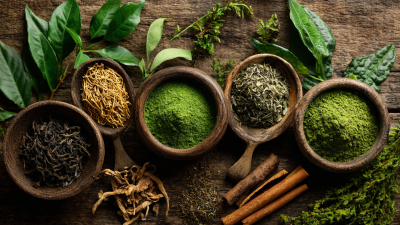
Furthermore, natural sweeteners like honey, maple syrup, and agave nectar are gaining popularity as healthier substitutes for high-fructose corn syrup and artificial sweeteners. These alternatives not only offer a more wholesome flavor profile but also come with additional nutritional benefits. Additionally, herbs and spices such as Turmeric, garlic, and ginger can replace artificial flavor enhancers while providing anti-inflammatory and Antioxidant properties, promoting overall health. By choosing these natural additives, consumers can make more informed dietary choices and enjoy a more wholesome approach to their nutrition.
The Role of Food Additives in Processed Foods: A Double-Edged Sword
Food additives play a crucial role in the manufacturing of processed foods, acting as preservatives, flavor enhancers, and colorants, among other functions. According to the Food Additives & Ingredients Association, over 3,000 different additives are used in the food supply, allowing for longer shelf life and enhanced taste. However, the benefits of these substances can be a double-edged sword; while they may make food more appealing and convenient, they also raise concerns about potential health impacts. Research published in the Journal of Nutrition has linked excessive consumption of certain additives, like artificial sweeteners and preservatives, to health issues such as obesity, diabetes, and even hyperactivity in children.
Moreover, the impact of food additives can vary significantly depending on individual dietary choices and consumption patterns. For instance, the International Agency for Research on Cancer (IARC) has categorized some food coloring agents and emulsifiers as potential carcinogens, prompting consumers to be more vigilant about what they eat. As awareness around the health effects of food additives grows, many are opting for cleaner labels and natural alternatives, leading to a market shift. According to a report by Grand View Research, the global clean label food market is expected to reach $49 billion by 2025, signaling a significant change in consumer preferences towards transparency and health-conscious choices in their diets.
FAQS
: Food additives are substances added to food to enhance flavor, preserve freshness, or improve appearance. Regulatory agencies are scrutinizing them due to growing concerns about their potential health risks and the need for ensuring food safety.
Studies suggest that additives like nitrates and nitrites found in processed meats may pose health risks, including complications that raise consumer apprehension. Additionally, some additives can alter gut microbiota and disrupt metabolic functions.
Consumers are increasingly turning to natural alternatives such as vinegar and citric acid in place of artificial preservatives, and natural sweeteners like honey, maple syrup, and agave nectar instead of high-fructose corn syrup.
Excessive consumption of certain additives, including artificial sweeteners and preservatives, has been linked to health issues such as obesity, diabetes, and hyperactivity in children.
Food additives help preserve processed foods, enhance flavors, and improve shelf life. However, their benefits can come with potential health concerns, making them a double-edged sword.
Yes, certain food coloring agents and emulsifiers have been classified as potential carcinogens by the International Agency for Research on Cancer (IARC), prompting consumers to be more cautious about their dietary choices.
There is a noticeable shift towards clean labels and natural alternatives, with consumers increasingly seeking transparency and health-conscious choices in their diets, reflected in the growing clean label food market expected to reach $49 billion by 2025.
With increasing evidence about the health implications of food additives, consumers are encouraged to make informed dietary choices and be vigilant about the additives present in the products they consume.
Recent reviews have highlighted how common food additives can impact gut microbiota and overall health, emphasizing the need for ongoing research into their effects on human health.
Natural herbs and spices such as turmeric, garlic, and ginger can be used as alternatives to artificial flavor enhancers, offering health benefits such as anti-inflammatory and antioxidant properties.
Conclusion
The article "Understanding the Impact of Food Additives on Your Health and Diet Choices" delves into the multifaceted role of food additives in modern diets. It examines how these additives can influence the nutritional value of foods, highlighting the need for consumers to be aware of common additives and their potential health risks. The discussion encourages readers to make informed dietary choices by effectively reading labels and understanding the implications of food additives in processed products. Furthermore, it explores natural alternatives to these additives, providing a path towards healthier eating habits.
In the context of maintaining high-quality standards, as emphasized by Xi'an Kintai Biotech Inc, the article underscores the importance of rigorous quality control in the sourcing and use of food additives. Ensuring the safety and quality of raw materials is crucial for safeguarding consumer health, thereby reinforcing the company's commitment to excellence in the food industry.